Department Details
The Department of Electronics And Communication Engineering at Bhaskar Engineering College was established in 2007 with an intake of 30 students, along with an additional 10% intake under the lateral entry scheme. The department provides well-equipped laboratories with modern instruments and software tools to support practical learning. Students gain hands-on experience through projects, workshops, industrial visits, and internships. The department encourages active participation in technical events, seminars, and innovation programs, helping students enhance their technical and professional skills. It also focuses on developing leadership, teamwork, communication, and problem-solving abilities while preparing students for higher education, competitive examinations, research opportunities, and successful careers in industry and academia.
Why Choose ECE?
-
Strong foundation in both hardware and software technologies.
-
Excellent placement opportunities in core electronics, communication, and IT industries.
-
Exposure to emerging technologies such as AI-enabled electronics, 5G, IoT, Embedded Systems, VLSI, Signal Processing, and Wireless Communication.
-
Collaboration with industries and research organizations for skill development.
-
Industry-oriented curriculum aligned with current technological trends.
HOD-Profile

Mrs. K.Shruthi
Mrs. K.Shruthi is the Head of the Department of Electronics and Communication Engineering . She holds a B.Tech in Electronics and Communication Engineering, an M.Tech in Embedded Systems from reputed institutions. With over 06 years of teaching, research, and administrative experience, she has made significant contributions to engineering education and research.
Her research interests include Embedded Systems, VLSI Design, Wireless Communication, Internet of Things (IoT), Signal Processing, and Artificial Intelligence Applications in Electronics. She has published 4 research papers in reputed national and international journals and conference proceedings. Her scholarly work has been recognized through presentations at various national and international conferences.
She has actively participated in and organized numerous Faculty Development Programs (FDPs), workshops, seminars, and conferences conducted by premier institutions such as IITs, NITs, and other leading universities. She has also earned several NPTEL certifications in emerging technologies, demonstrating her commitment to continuous learning and professional development.
She is a dedicated academician who plays an active role in the smooth functioning and continuous development of the department. With a strong commitment to academic excellence and student success, she has contributed in various key departmental responsibilities, including Lab In-charge, Class In-charge, Mentor and Major Project Coordinator. In these roles, she ensures effective laboratory management, smooth coordination of academic activities, and consistent student monitoring and support.
She is also actively involved in mentoring students, guiding them in both academic and personal development, and helping them achieve their career goals. As a Major Project Coordinator, she facilitates innovative project work, encouraging students to apply theoretical knowledge to practical solutions. Her dedication to teaching, mentoring, and administrative responsibilities reflects her strong sense of responsibility and contribution to institutional growth and quality education.
Under her leadership, the ECE Department has strengthened its focus on academic excellence, industry collaboration, research innovation, and skill development. She is dedicated to creating a dynamic learning environment that encourages students to excel in academics, research, entrepreneurship, and professional careers.
Her vision is to empower students with technical expertise, ethical values, and innovative thinking to meet the challenges of a rapidly evolving technological world.
Vision & Mission
Vision
To nurture excellence in the field of Electronics & Communication Engineering by imparting timeless core values to the learners and to mold the Electronics & Communication Engineering into a center of academic excellence and advanced research.
Mission
To impart high Quality Technical & Professional education in order to mold the learners into globally competitive professionals who are professionally deft, intellectually adept and socially responsible. The Department of Electronics & Communication Engineering strives to make the learners inculcate and imbibe pragmatic perception and proactive nature, to enable them to acquire a vision for exploration and an insight for advanced inquire.
Short/Long term Goals
Short term Goals
To conduct faculty development programmers regularly for skill up gradation.
To modernize all the laboratories
To train and educate students as Global Citizens
To train and educate students as Global Citizens
To Place teaching / tutorial material of each subject on the internet to enable students to browse at their own place of learning.
To encourage the students to participate in community development programs.
Long term Goals
To be among top ten leading institutes in India and abroad and be recognized as the best department in terms of research and innovation.
To create better entrepreneurs in the IT Sector
To establish and strengthen Industry Institute interaction and be industry solution providers.
To establish State of the art research facilities in the department
Faculty Details
|
Sl.No
|
Faculty Name
|
Qualification
|
Designation
|
|
1
|
Mrs. K. Shruthi
|
M.Tech
|
Assistant Professor & HOD
|
|
2
|
Mrs. A. Jhansi
|
M.Tech
|
Assistant Professor
|
|
3
|
Mrs. Y. Ramya
|
M.Tech
|
Assistant Professor
|
|
4
|
Mrs. Ch. Ludiya
|
M.Tech (Ph.D)
|
Assistant Professor
|
|
5
|
Ms. A. Srividya
|
M.Tech
|
Assistant Professor
|
|
6
|
Mrs. V. Sumathi
|
M.Tech
|
Assistant Professor
|
|
7
|
Mrs. K. Shridevi
|
M.Tech
|
Assistant Professor
|
|
8
|
Mr. D. Kotya
|
M.Tech
|
Assistant Professor
|
Professional Bodies & Voluntary Organization
E-POTENZ
E-POTENZ is the official student technical association of the Department of Electronics and Communication Engineering (ECE). The association serves as a platform for students to enhance their technical knowledge, leadership qualities, innovation, and professional skills beyond the classroom.
Objectives
Promote technical excellence and innovation among students.
Encourage participation in seminars, workshops, project expos, and technical competitions.
Bridge the gap between academic learning and industry requirements.
Develop leadership, teamwork, communication, and organizational skills.
Foster research, entrepreneurship, and problem-solving abilities.
Major Activities
Technical seminars and guest lectures by industry experts.
Workshops on emerging technologies such as AI, IoT, Embedded Systems, VLSI, and Cyber Security.
Technical quizzes, paper presentations, poster presentations, and coding contests.
Project exhibitions and innovation challenges.
Industrial visits and interaction with professionals from industry and academia.
Awareness programs, community service activities, and student development initiatives.
Benefits to Students
Exposure to current technological trends and industry practices.
Opportunities to showcase innovative ideas and projects.
Enhancement of technical, managerial, and interpersonal skills.
Development of professional networking and career readiness.
Encouragement towards higher studies, research, and entrepreneurship.
Infrastructure
Laboratory Infrastructure
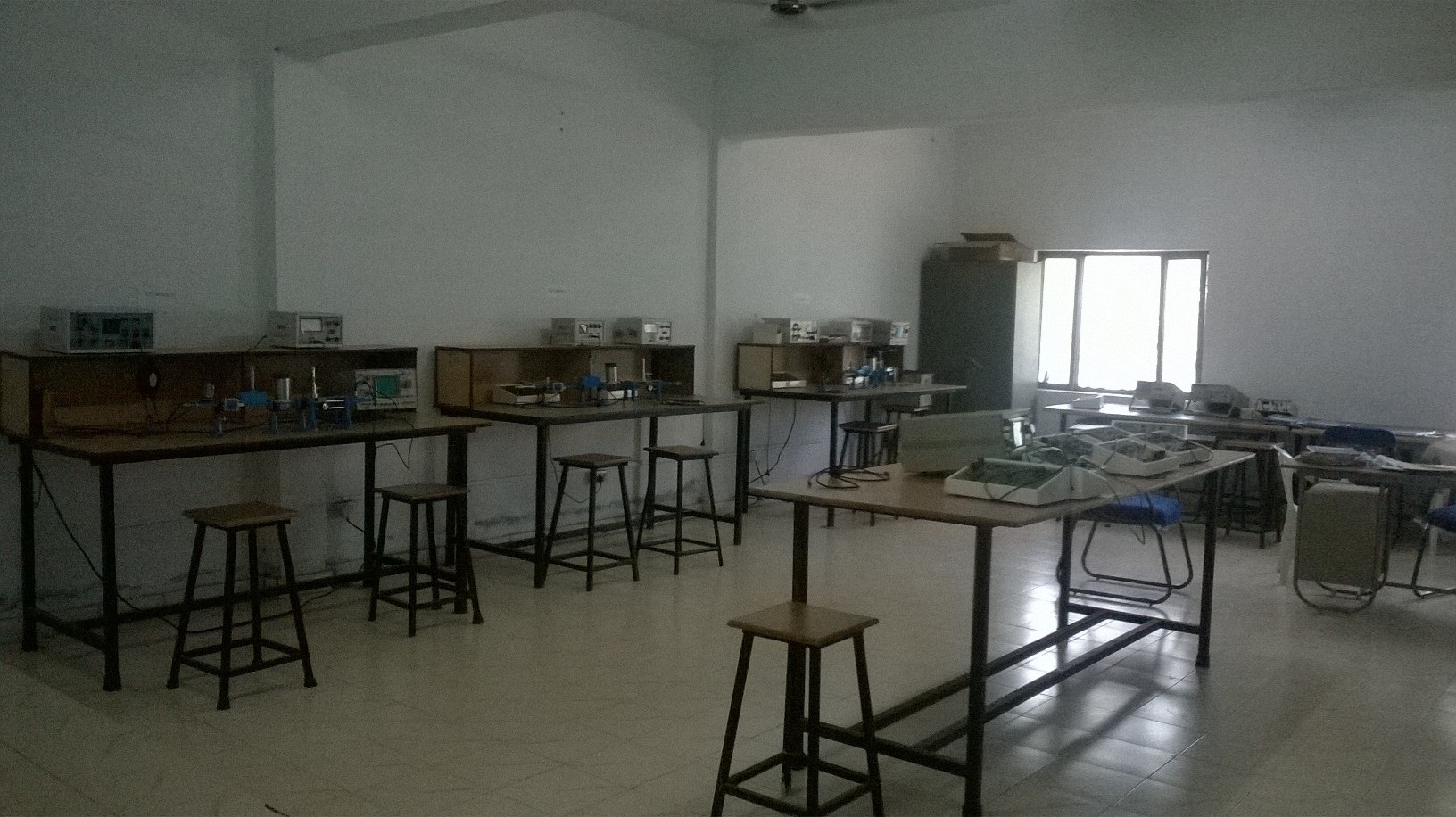
The Department of Electronics and Communication Engineering (ECE) is equipped with modern laboratory facilities that support practical learning, research, innovation, and project development. The department maintains well-established laboratories with advanced hardware and software resources to meet the requirements of the JNTUH curriculum and industry standards.
Hardware Infrastructure
Well-equipped laboratories with modern electronic instruments and communication equipment.
Digital Storage Oscilloscopes (DSOs), Function Generators, Regulated Power Supplies, and Digital Multimeters.
Microprocessor and Microcontroller Trainer Kits for embedded system applications.
FPGA Development Boards and VLSI Design Hardware Platforms.
DSP Processor Kits for Digital Signal Processing experiments.
IoT Development Boards, Sensors, Actuators, and Wireless Communication Modules.
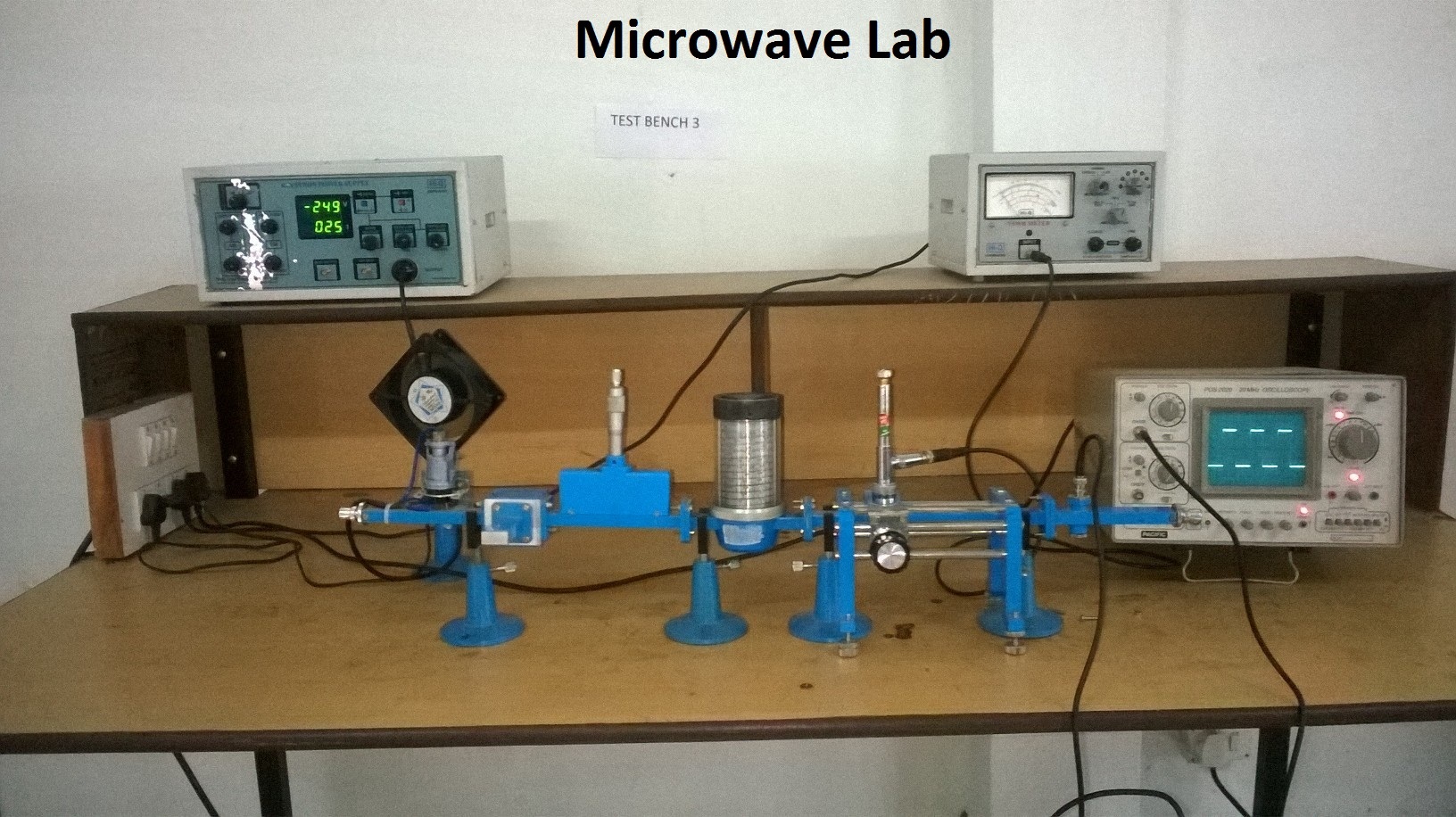
Antenna and Microwave Engineering experimental setups.
Communication Trainer Kits for Analog and Digital Communication experiments.
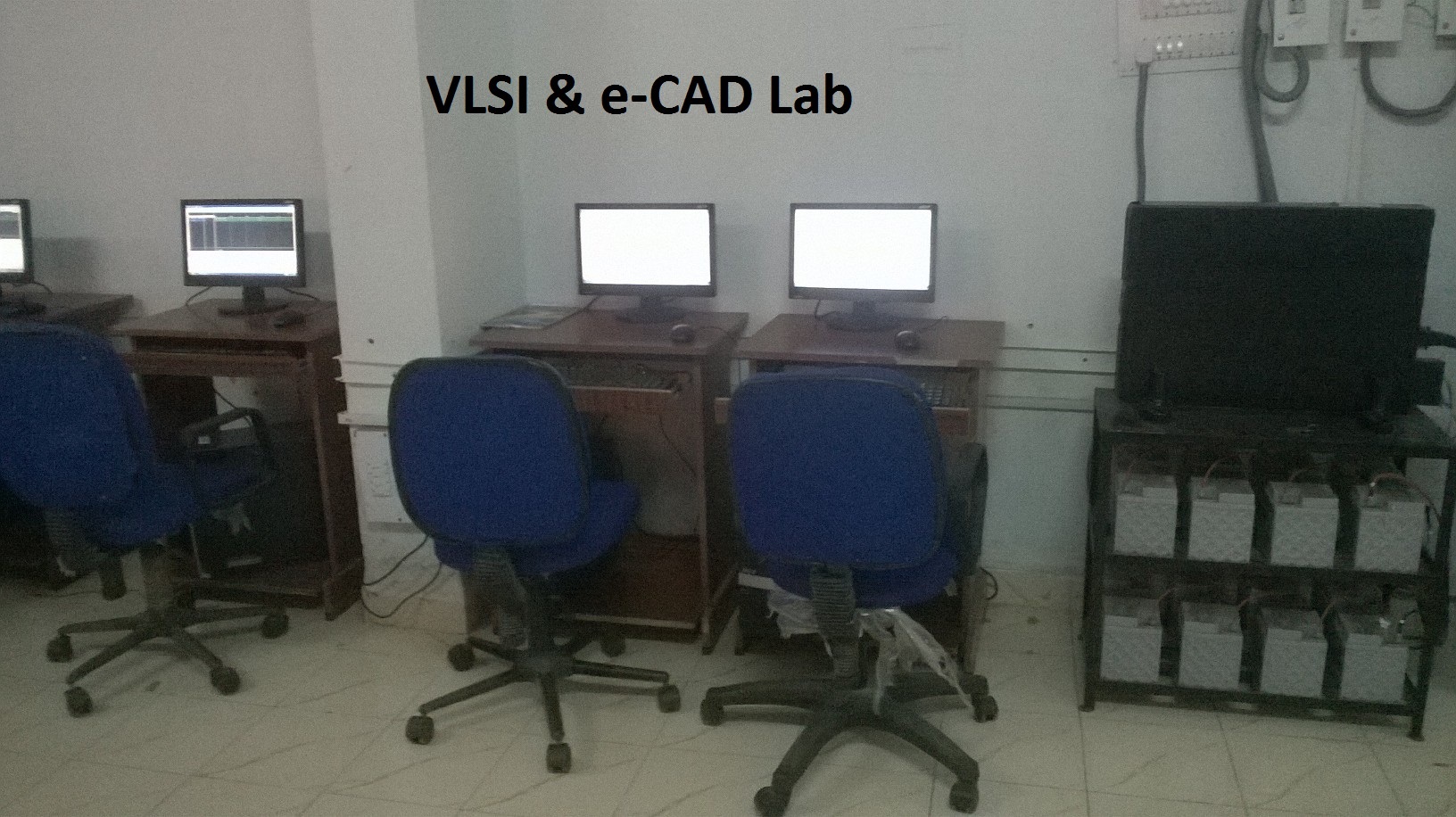
High-performance computer systems for simulation, design, and verification activities.
Dedicated project laboratory supporting mini projects, major projects, and innovative product development.
Laboratory Facilities
State-of-the-art laboratories with adequate equipment for individual student practice.
One-to-one student access to computing resources during laboratory sessions.
Industry-standard software tools such as MATLAB, Xilinx, Cadence, Keil, Multisim, and LTspice.
High-speed internet connectivity supporting research and development activities.
Infrastructure designed to facilitate hands-on learning, experimentation, and innovation.
Facilities for mini projects, major projects, and product-based learning.
Details of Laboratories
1. Modelling and Simulation Laboratory
Simulation and analysis of engineering systems using MATLAB and related software tools.
Study of signals, systems, control systems, and communication models.
Development of analytical and problem-solving skills through simulation.
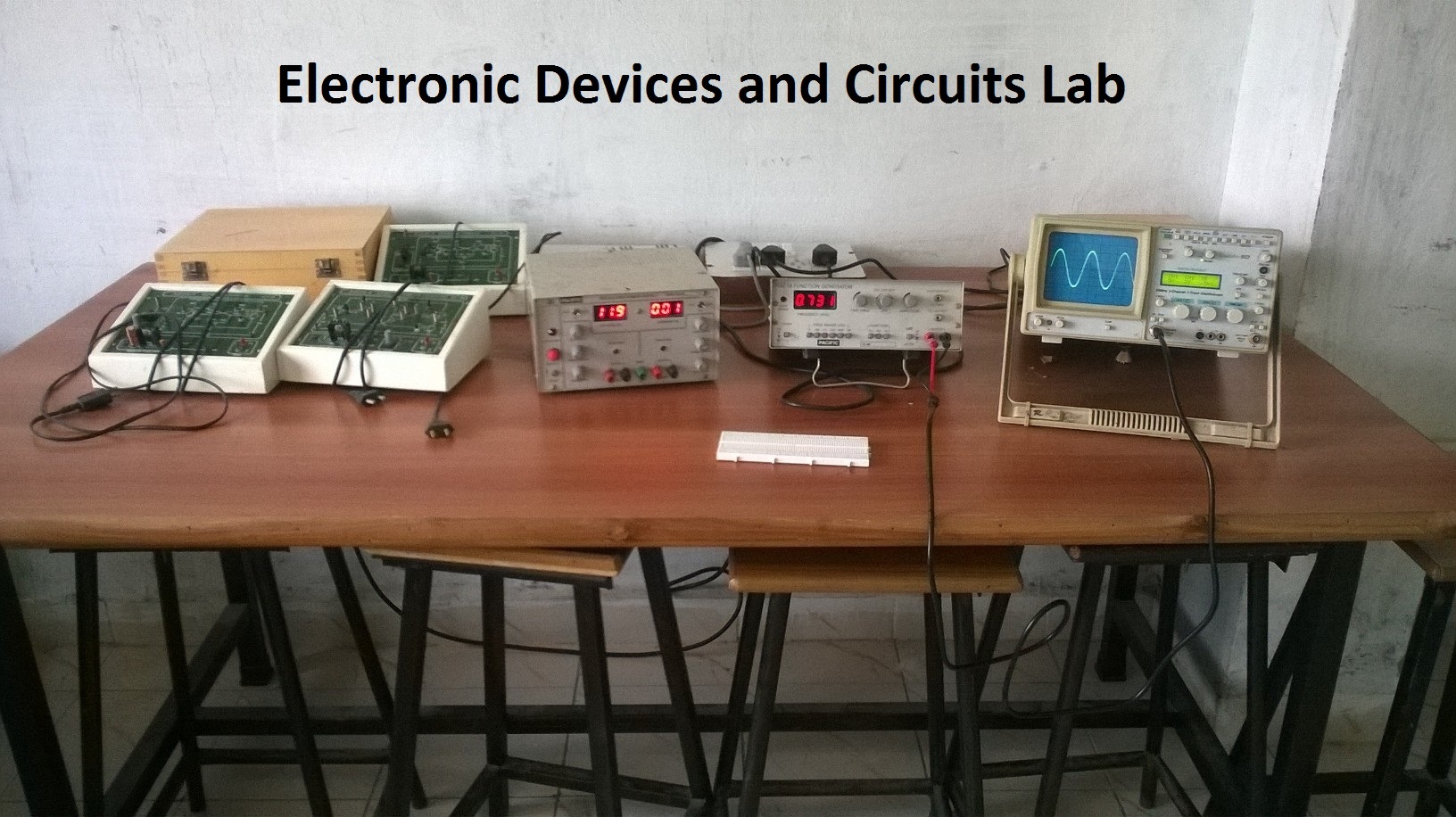
2. Electronic Devices and Circuits Laboratory
Characteristics of Diodes, BJT, FET, and MOSFET devices.
Design and testing of rectifiers, amplifiers, oscillators, and electronic circuits.
Practical understanding of semiconductor devices and applications.
3. Digital Logic Design Laboratory
Design and implementation of combinational and sequential circuits.
Experiments using logic gates, multiplexers, counters, registers, and flip-flops.
Introduction to digital system design concepts.
4. Analog and Digital Communications Laboratory
Experiments on AM, FM, PCM, and digital communication techniques.
Study of modulation, demodulation, and signal transmission systems.
Practical exposure to communication engineering concepts.
5. Electronic Circuit Analysis Laboratory
Analysis and verification of analog electronic circuits.
Frequency response, feedback amplifiers, and oscillator experiments.
Circuit design and performance evaluation.
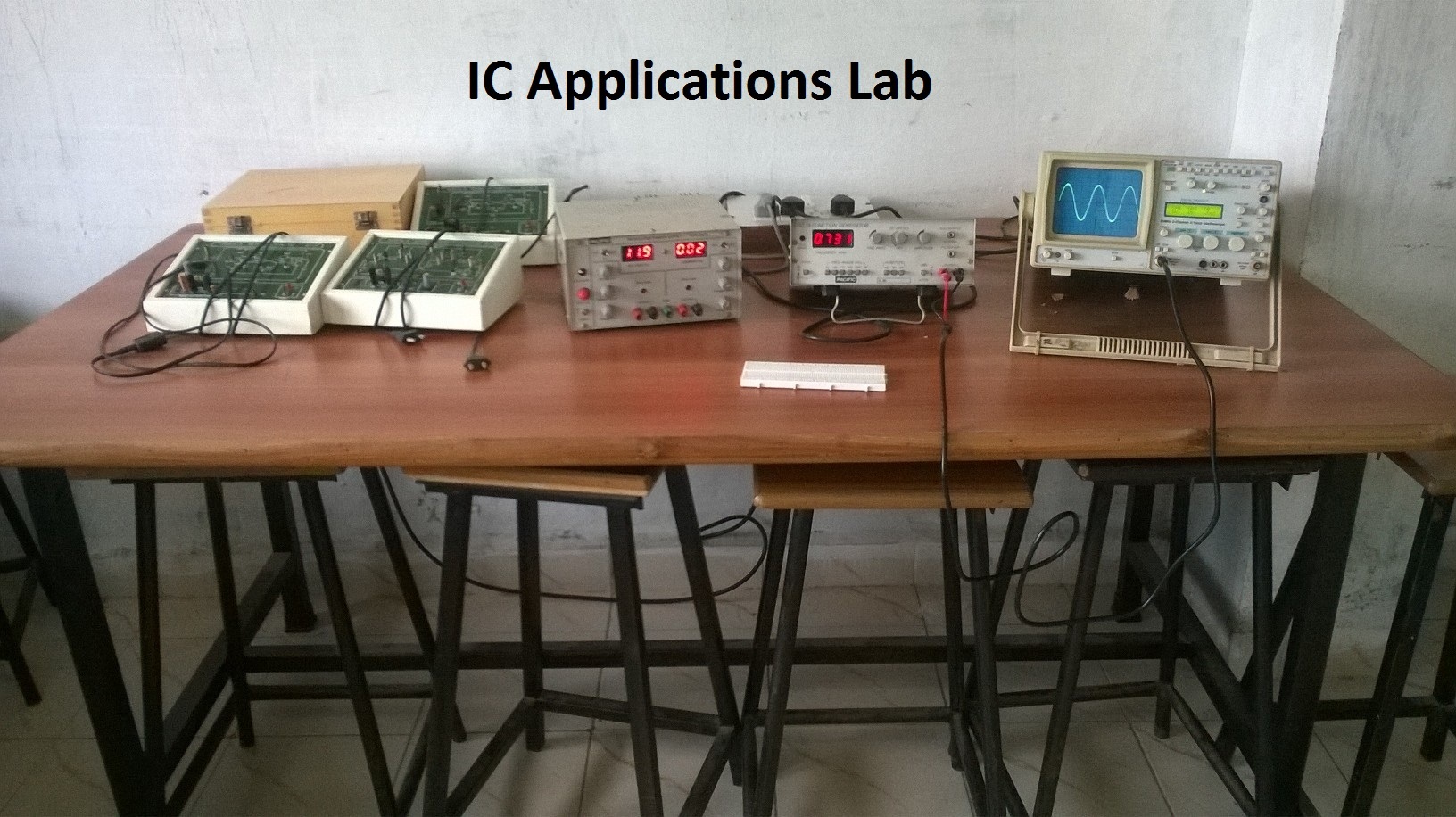
6. Linear and Digital IC Applications Laboratory
Applications of operational amplifiers and timer ICs.
Design of filters, oscillators, waveform generators, and digital circuits.
Hands-on experience with integrated circuits.
7. RISC and Microcontroller Interfacing Laboratory
Programming and interfacing using RISC processors and microcontrollers.
Interfacing of sensors, displays, memory devices, and peripherals.
Development of embedded applications.
8. VLSI Design Laboratory
Design and simulation of CMOS logic circuits.
Exposure to VLSI design tools and methodologies.
Layout design, verification, and performance analysis.
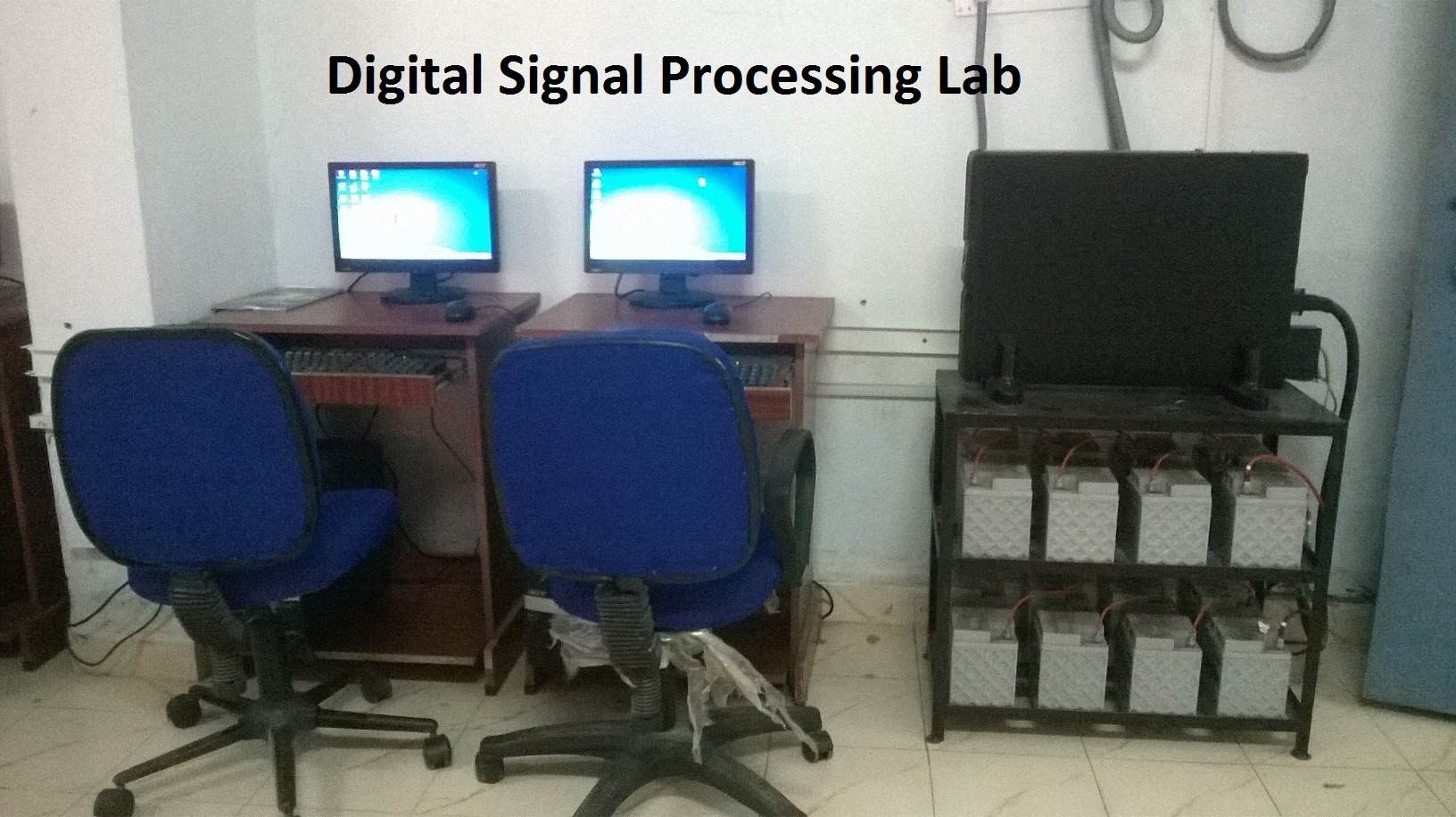
9. Digital Signal Processing Laboratory
Implementation of DSP algorithms using MATLAB and DSP tools.
Experiments on FFT, convolution, filtering, and signal analysis.
Real-time signal processing applications.
10. Advanced Communications Laboratory
Experiments related to modern communication systems.
Wireless communication, coding techniques, and advanced modulation methods.
Exposure to contemporary communication technologies.
11. IoT Architectures and Protocols Laboratory
Design and implementation of IoT-based applications.
Sensor interfacing, cloud connectivity, and smart monitoring systems.
Understanding IoT communication protocols and architectures.
12. VLSI Design Verification Laboratory
Functional verification of digital designs.
Testing and validation of VLSI circuits using industry-standard tools.
Exposure to verification methodologies.
13. FPGA-Based System Design Laboratory
Hardware implementation using FPGA boards.
Design and testing of digital systems using HDL.
Real-time embedded and digital design applications.
14. Emerging Technologies Laboratory (5G / Robotics / Drone Lab)
Practical exposure to emerging technologies and industry-oriented applications.
Hands-on projects in 5G communication, robotics, and drone systems.
Innovation-driven learning and research activities.
STANDARD OPERATING PROCEDURE (SOP) FOR LAB IN-CHARGES
Research and Development
The Department of Electronics and Communication Engineering (ECE) actively promotes research, innovation, and interdisciplinary projects in emerging technologies such as Wireless Communications, Signal Processing ,Artificial Intelligence (AI), Machine Learning (ML), Internet of Things (IoT), VLSI Design, Embedded Systems and Cyber Security. The department encourages faculty and students to engage in research activities that address real-world engineering challenges and societal needs.
1. Intelligent Communication Systems
AI and ML techniques are applied to optimize wireless communication networks, improve spectrum utilization, and enhance signal quality.
Research focuses on 5G/6G communication systems, network security, and intelligent resource allocation.
2. Smart Embedded and IoT Systems
Development of intelligent IoT solutions for smart homes, healthcare monitoring, agriculture, and industrial automation.
Integration of AI algorithms with embedded platforms for real-time decision-making.
3. Cyber Security and Network Protection
Application of AI-based models for intrusion detection, malware analysis, anomaly detection, and cyber threat prediction.
Research on secure communication protocols and data privacy.
4. Signal and Image Processing
AI-assisted processing of audio, speech, image, and video signals.
Applications include medical image analysis, pattern recognition, and intelligent surveillance systems.
5. VLSI and Hardware Design
Research in low-power VLSI architectures, FPGA-based systems, and hardware accelerators for AI applications.
Development of efficient electronic systems for next-generation technologies.
Faculty Research Publications
Mr. Pratik Bhattacharya, Assistant Professor, ECE
Research Focus Areas
Artificial Intelligence and Machine Learning
Internet of Things (IoT)
Embedded Systems
Wireless and Mobile Communications
VLSI Design and FPGA Systems
Signal and Image Processing
Cyber Security
Robotics and Automation
Strategic Benefits
Promotes innovation and technology-driven research.
Enhances industry-academia collaboration.
Encourages publication of quality research papers and project outcomes.
Supports startup and entrepreneurship initiatives.
Develops industry-ready engineers with strong research capabilities.
The department is committed to fostering a vibrant research ecosystem that encourages innovation, knowledge creation, and technological advancement for the benefit of society and industry.
Seminars
Seminars/Workshops Organised
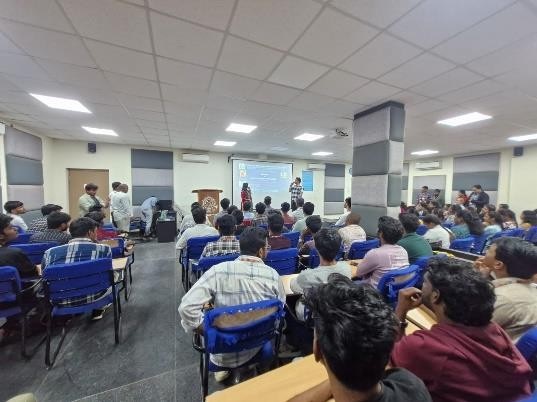
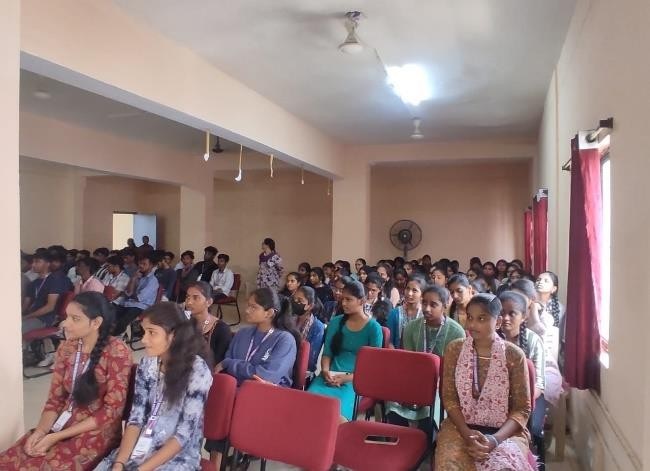
We organized a seminar on “Use of AI in Cyber Security” on 15th September 2025. The session was delivered by Mr. Ayaan Sarkar, DMS Engineer, British Lloyd’s Bank, Hyderabad.
A career guidance seminar on “Opportunity of Jobs in Banking Sector and How to Crack It” was conducted on 19th October 2025 by Mr. Arnav Chakrabarty, Branch Manager, Bank of Maharashtra, Goa Branch.
The department organized a technical seminar on “Battery Technology and Electrochemical Performance of Battery” on 20th August 2025.
The A seminar on “Innovation and Entrepreneurship in OLED Technologies” on 9th December 2025, focusing on recent advancements in OLED technology, innovation opportunities, and entrepreneurial prospects in the electronics industry
Faculty members and students participated in the Institute Innovation Council (IIC) Regional Meet held at Gokaraju Rangaraju Institute of Engineering and Technology (GRIET), Hyderabad.BEC was ranked as one of the top 5 in Advanced Innovations
Highlights
Organized expert seminars on Artificial Intelligence, Cyber Security, Battery Technology, and OLED Technologies.
Conducted career guidance programs focusing on employment opportunities in the banking sector.
Encouraged innovation, entrepreneurship, and industry-academia interaction.
Achieved recognition among the Top 5 institutions in Advanced Innovations at the IIC Regional Meet.
The seminar provided valuable insights into the role of Artificial Intelligence in enhancing cybersecurity, threat detection, and risk management.
The session enhanced students’ understanding of advanced battery technologies, electrochemical processes, and energy storage systems.
The session focused on career opportunities in the banking sector, recruitment processes, and preparation strategies for banking examinations and interviews.
Achievements
FACULTY ACHIEVEMENTS
K. Sruthi
Congratulates Mrs. K. Sruthi on successfully qualifying the UGC-NET (University Grants Commission – National Eligibility Test)
Successfully completed NPTEL Certification Courses in emerging technologies and engineering domains.
Participated in the NEP Orientation and Sensitization Programme, enhancing understanding of the implementation and objectives of the National Education Policy .
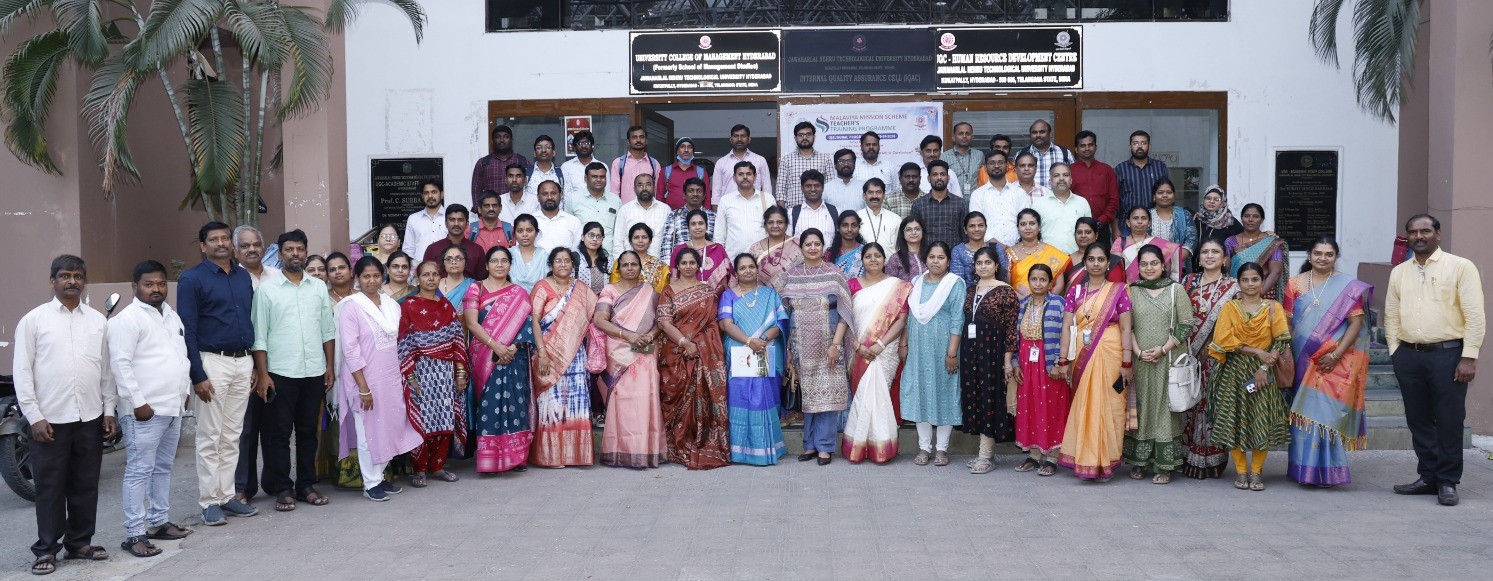
Completed the "Integration of Indian Knowledge Systems (IKS) in Curriculum" programme organized by the University Grants Commission – Malaviya Mission Teacher Training Centre (MMTTC) at Jawaharlal Nehru Technological University Hyderabad.
Participated in Faculty Development Programmes (FDPs), workshops, and technical seminars.
Contributed to student mentoring, project guidance, and academic development activities.
Y. Ramya
Earned NPTEL Certifications in relevant engineering and technology courses.
Successfully completed the NEP Orientation and Sensitization Programme focused on higher education reforms and effective implementation of NEP .
Participated in the "Integration of Indian Knowledge Systems (IKS) in Curriculum" programme organized by the University Grants Commission – Malaviya Mission Teacher Training Centre (MMTTC) at Jawaharlal Nehru Technological University Hyderabad.
Actively participated in workshops, FDPs, and professional development programmes.
Contributed to innovative teaching-learning practices and student project supervision.
Professional Development Highlights
NPTEL Certified Faculty Members and
Completed NEP Orientation and Sensitization Programme and Integration of Indian Knowledge Systems (IKS) in Curriculum training
Active participation in Faculty Development Programmes, workshops, and capacity-building initiatives.
Continuous contribution to academic excellence, outcome-based education, and student-centered learning.
STUDENT ACHIEVEMENTS
Students showcased innovative projects at various Project Expo events and technical exhibitions.
Secured First Prize and Second Prize in Project Expo competitions conducted during Inter-College Technical Fests-2026
Actively participated in technical symposiums, project demonstrations, and innovation-based competitions.
Industrial Visit
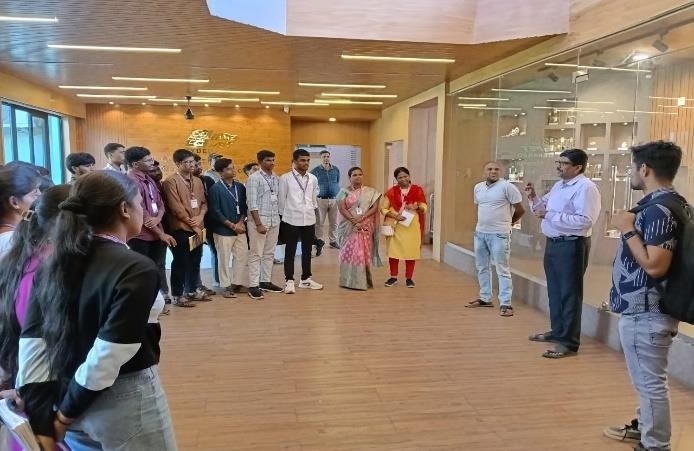
We went to Center for Materials for Electronics Technology (C-MET) on November 14th 2025 as part of the Industrial tour for ECE 2nd year students.
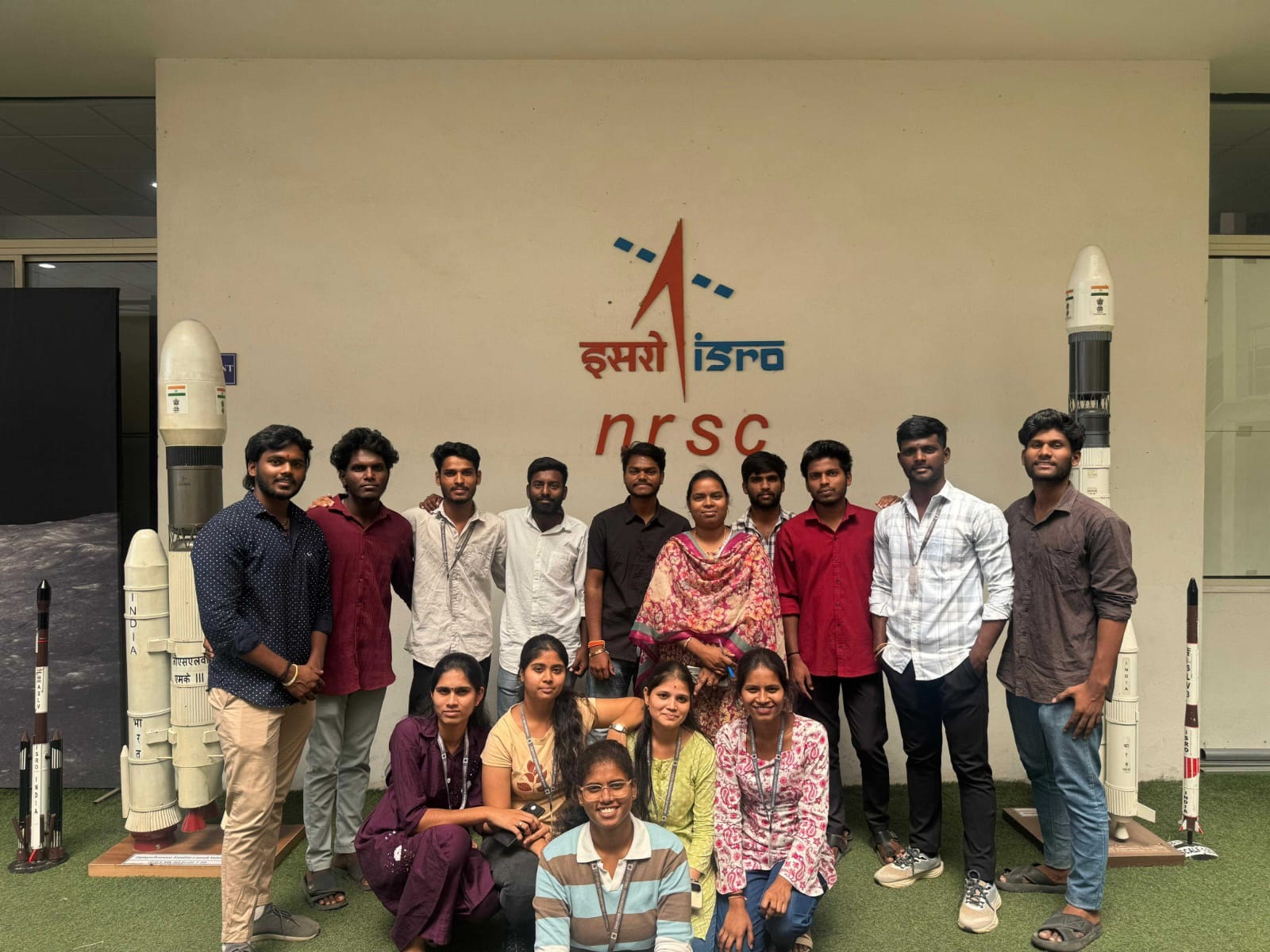
Industrial visit on April 9th 2026 we are visited to National Remote sensing Centre (ISRO-NRSC) as part of Industrial visit for CSE 3rd year and ECE 2nd year students.
NCC
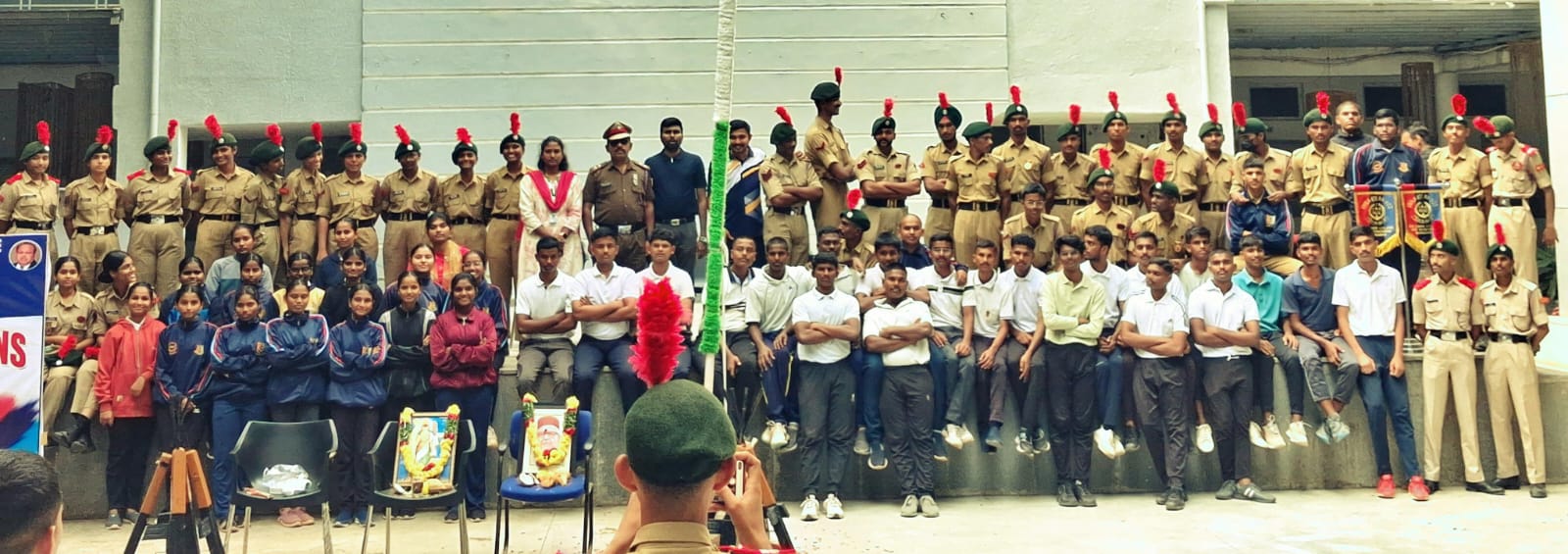
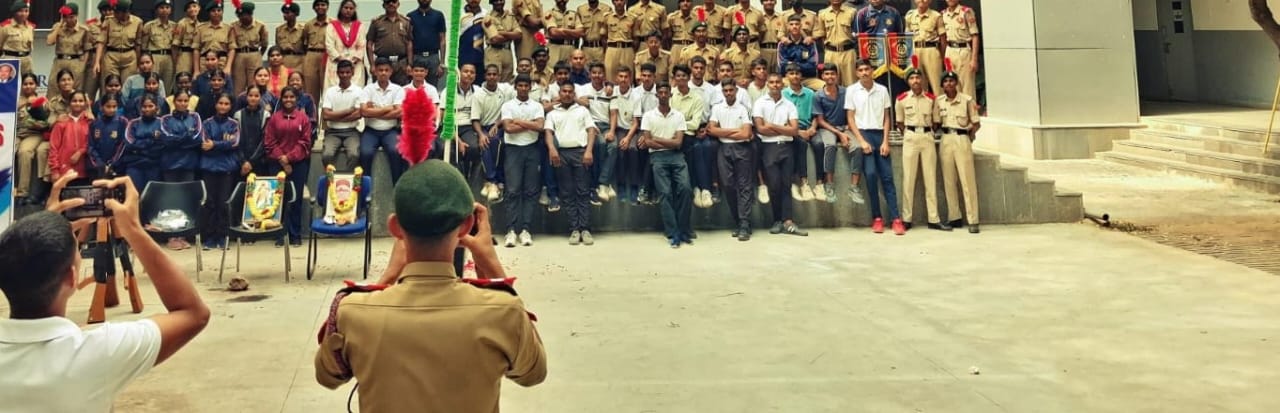
Students actively participated in National Cadet Corps (NCC) activities, demonstrating leadership, discipline, and social responsibility.
Successfully attended NCC Camps, including Annual Training Camps (ATC), Combined Annual Training Camps (CATC), and special training programs.
Earned NCC certificates and recognition for active participation and outstanding performance in NCC programs.